Korean War
UN Offensive into North Korea
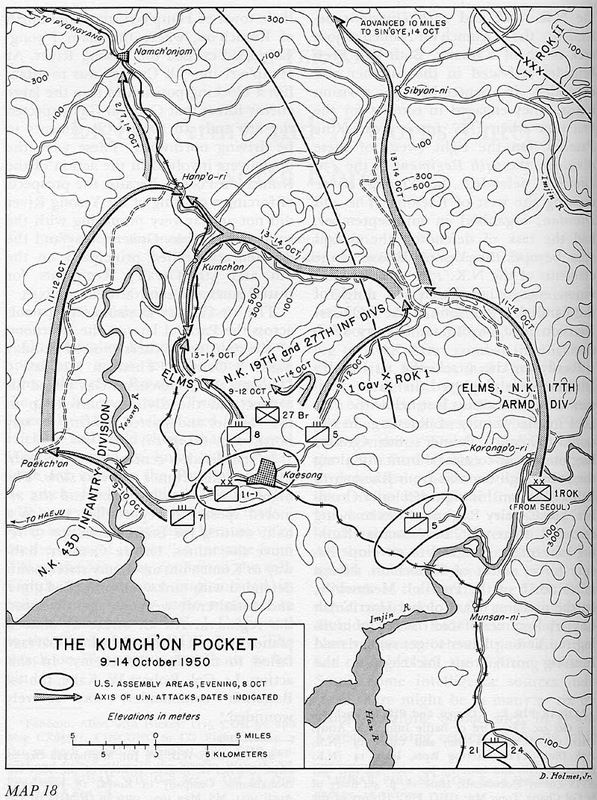
The UN offensive into North Korea was a large-scale offensive in late 1950 by United Nations (UN) forces against North Korean forces. On 27 September

The UN offensive into North Korea was a large-scale offensive in late 1950 by United Nations (UN) forces against North Korean forces. On 27 September
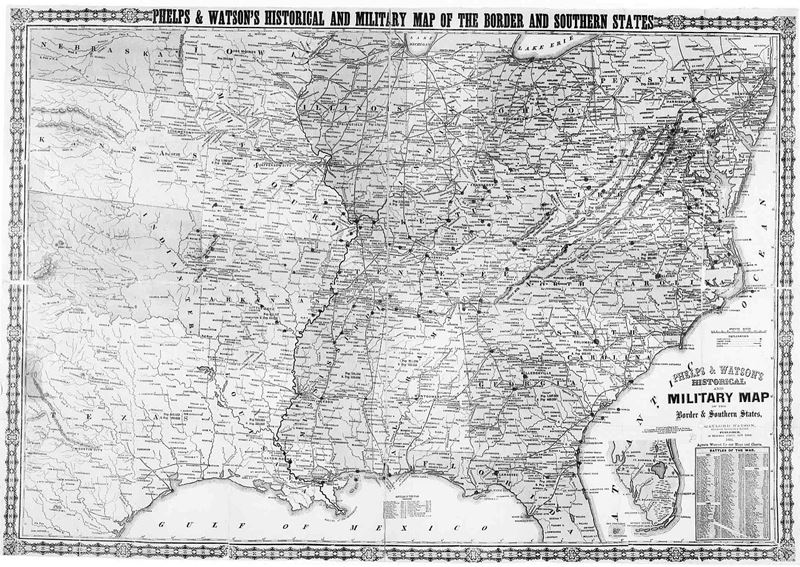
Table of Contents “Border States” refers to the slave states that surrounded the free states that made up the Union. When it came to winning
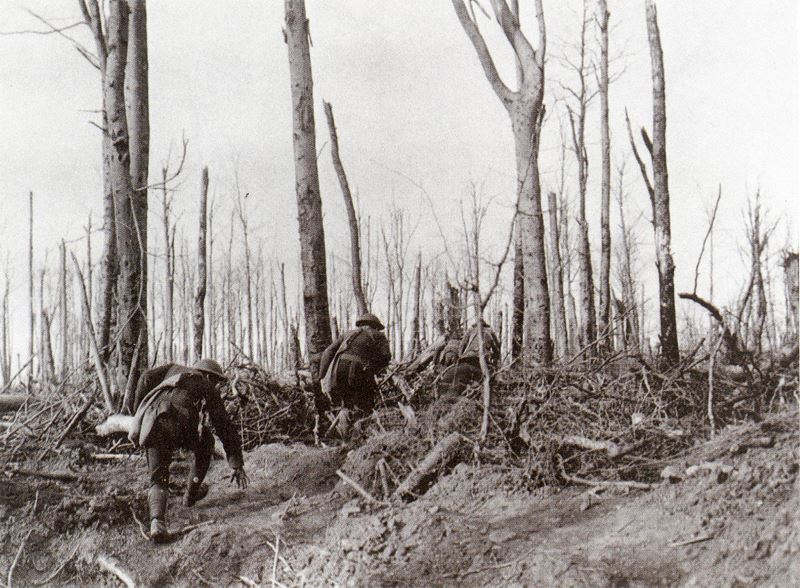
The Meuse–Argonne offensive (also known as the Meuse River–Argonne Forest offensive,[6] the Battles of the Meuse–Argonne, and the Meuse–Argonne campaign) was a major part of
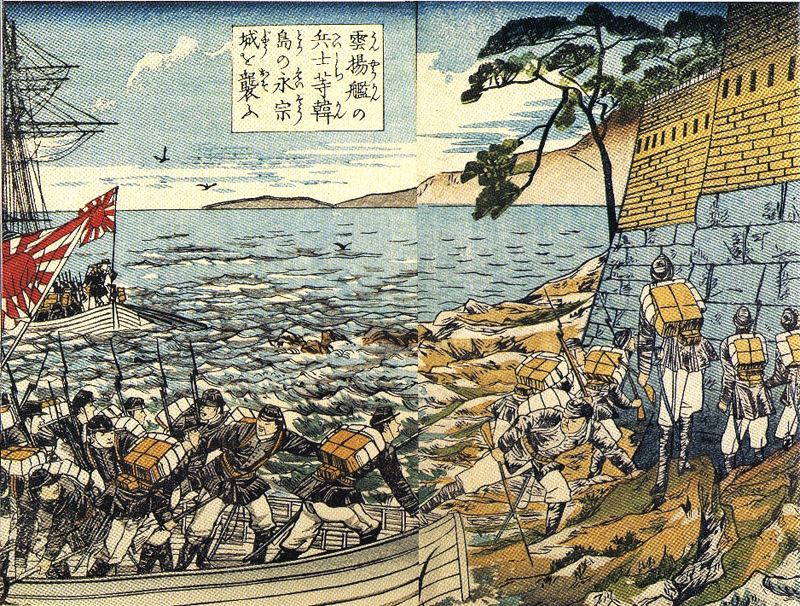
Imperial Japan severely diminished the influence of China over Korea in the First Sino-Japanese War (1894–95), ushering in the short-lived Korean Empire.[72] A decade later,
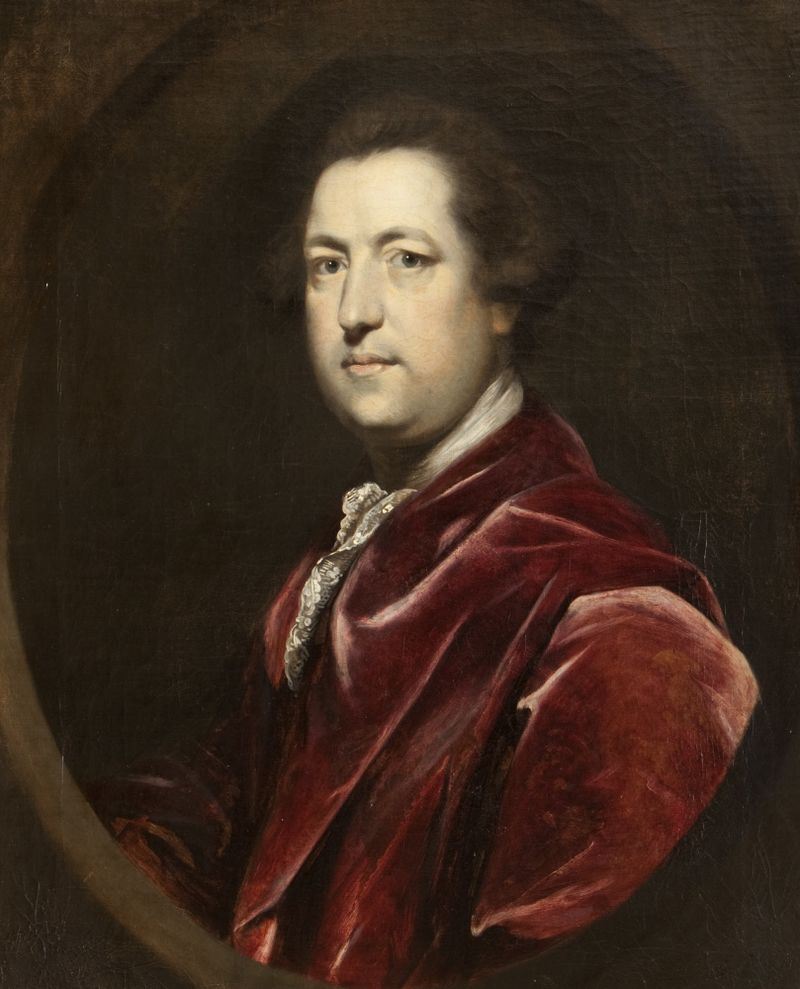
The Townshend Acts met stiff resistance in the colonies, and public opposition to them was widely debated in colonial newspapers. Opponents of the Acts gradually
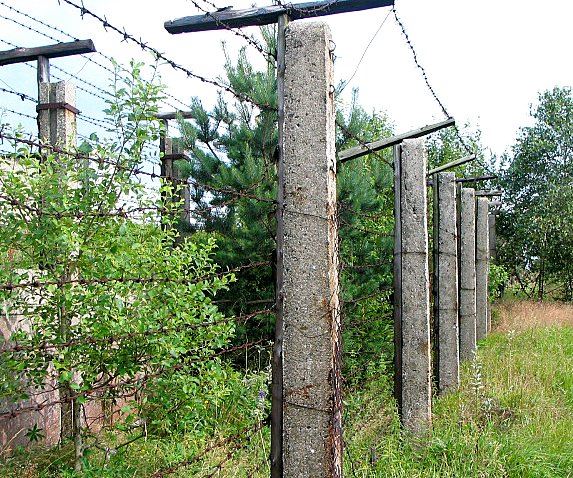
The Iron Curtain is a term describing the political boundary dividing Europe into two separate areas from the end of World War II in 1945
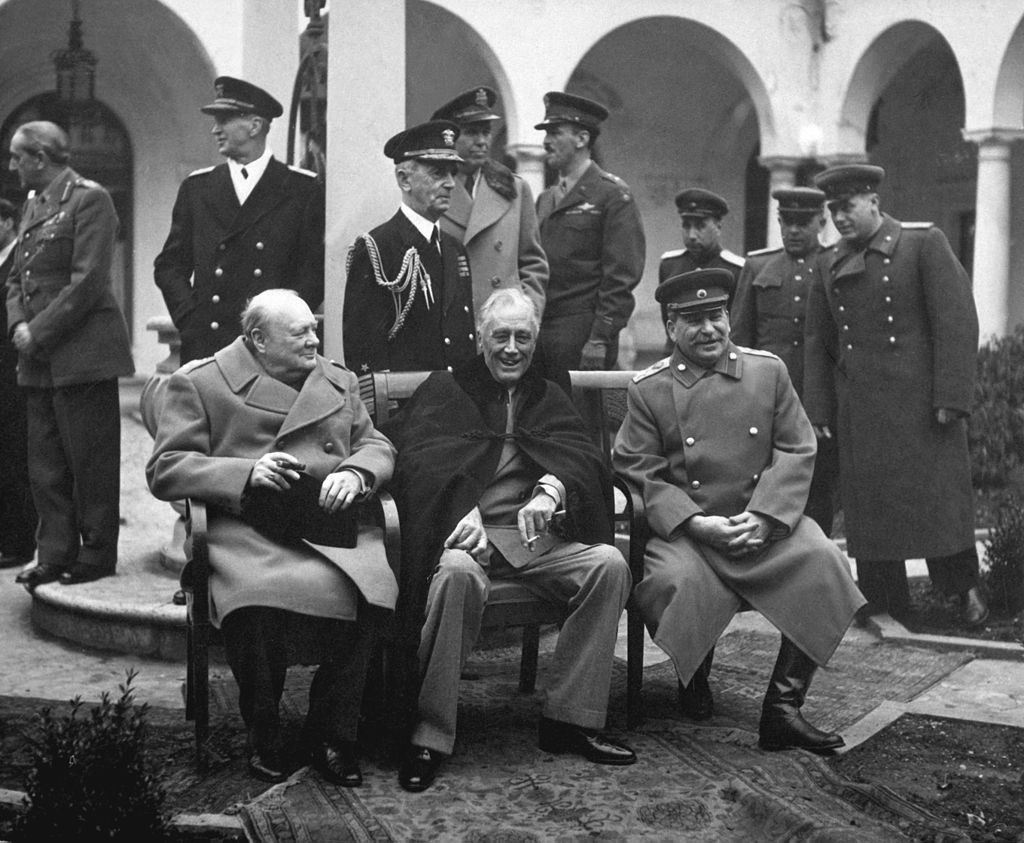
Germany and the Soviet Union were sworn enemies, but following the Munich Agreement, which effectively handed over Czechoslovakia (a French and Soviet ally, and the
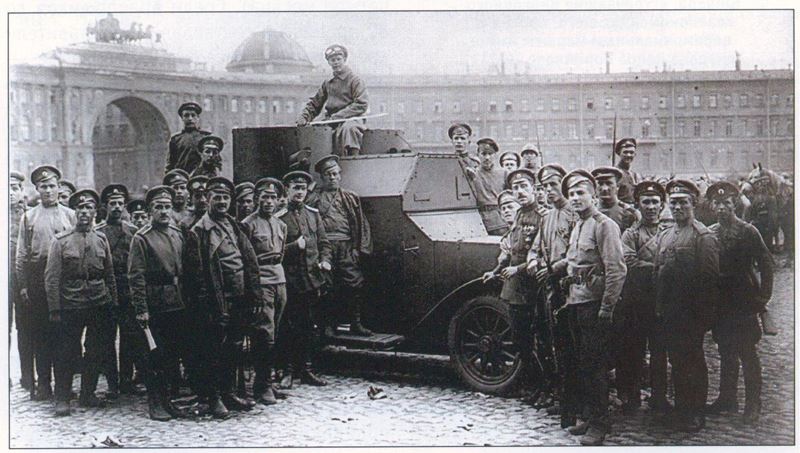
The Russian Revolution was a period of political and social revolution that took place in the former Russian Empire which began during the First World